
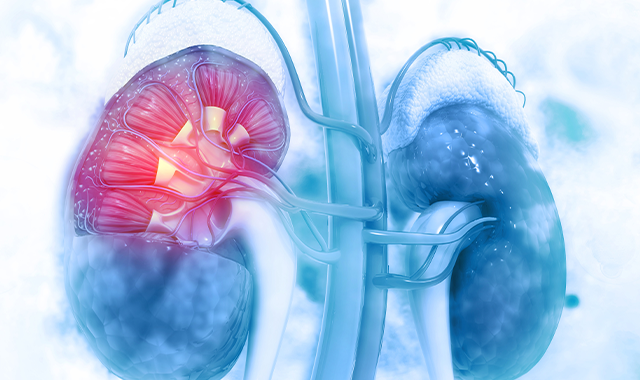
Merck and Pfizer Inc. (NYSE: PFE) today announced the presentation of multiple analyses from the JAVELIN clinical development program assessing BAVENCIO® (avelumab) alone or as part of combination regimens for the treatment of advanced cancers, including renal cell carcinoma (RCC), metastatic Merkel cell carcinoma (mMCC) and some other solid tumors at the European Society for Medical Oncology (ESMO) Congress 2019 in Barcelona, Spain.
“These data at ESMO underscore the clinical activity of treatment with BAVENCIO across multiple tumor types and patient populations,” said Chris Boshoff, M.D., Ph.D., Chief Development Officer, Oncology, Pfizer Global Product Development. “Furthermore, these presentations demonstrate our commitment to identifying the patients most likely to benefit from this immunotherapy as a single agent, or in combination approaches.”
“The immunotherapy era has led to vast progress in the treatment of cancer, yet we know that many patients with advanced or aggressive cancers still need additional treatment options,” said Luciano Rossetti, M.D., Executive Vice President, Head of Global Research & Development at the Biopharma business of Merck. “We are committed to continued research of BAVENCIO as we seek to further advance treatment options for patients with certain cancers.”
Data to be presented at ESMO include three subgroup analyses of the Phase III JAVELIN Renal 101 study (NCT02684006), a randomized, multicenter, open-label study of BAVENCIO in combination with axitinib in 886 patients with untreated advanced RCC from patients across all International Metastatic RCC Database Consortium (IMDC) risk groups. This study, results of which were published in The New England Journal of Medicine in February 2019, demonstrated that BAVENCIO in combination with axitinib significantly improved progression-free survival (PFS) compared with sunitinib in patients with advanced RCC, with a generally acceptable safety tolerability profile, including serious adverse events.1
Results from new analyses of JAVELIN Renal 101 being presented at ESMO, which assessed the effect of BAVENCIO in combination with axitinib in subgroups including patients who did not undergo cytoreductive nephrectomy, patients with sarcomatoid histology, and Japanese patients, are consistent with findings from the overall JAVELIN Renal 101 study population and provide a better understanding of the combination in a broad range of patients with advanced RCC. In May 2019, the U.S. Food and Drug Administration (FDA) approved BAVENCIO in combination with axitinib for the first-line treatment of patients with advanced RCC.2 The Committee for Medicinal Products for Human Use (CHMP) of the European Medicines Agency (EMA) adopted a positive opinion recommending approval of BAVENCIO in combination with axitinib for the first-line treatment of adult patients with advanced RCC in September 2019.
Presentation #908PD: Phase III JAVELIN Renal 101 Study Subgroup Analysis of Patients with Advanced RCC who did not Undergo Upfront Cytoreductive Nephrectomy
A post-hoc analysis of JAVELIN Renal 101 evaluated patients with advanced RCC who did not undergo prior surgery to remove as much of the visible tumors on the kidneys as possible (cytoreductive nephrectomy), which comprised 20.2% of participants in the study. The findings showed that patients with advanced RCC treated with BAVENCIO in combination with axitinib who did not undergo an upfront cytoreductive nephrectomy experienced greater shrinkage of the primary renal tumor versus sunitinib (≥30% shrinkage for best percent change in renal target lesions from baseline in 34.5% versus 9.7%, respectively).3 The majority of patients with advanced RCC undergo nephrectomy before starting systemic treatment,4 and those who do undergo nephrectomy may experience complications or delays in treatment.5 These results are the first of their kind to report the efficacy of an immunotherapy plus a tyrosine kinase inhibitor in patients with advanced RCC when there is still a primary tumor present.3
Presentation #910PD: Phase III JAVELIN Renal 101 Study Subgroup Analysis of Patients with Advanced RCC with Sarcomatoid Histology
A post-hoc analysis of JAVELIN Renal 101 in patients with advanced RCC with sarcomatoid histology, an aggressive subtype of RCC6 that carries the worst prognosis for patients with renal tumors,7,8 included 12.2% of participants in the trial. The results presented at ESMO showed that BAVENCIO plus axitinib improved PFS and objective response rate (ORR) versus sunitinib in patients with advanced RCC with sarcomatoid histology (median PFS: 7.0 months versus 4.0 months, HR 0.57 [95% CI, 0.325-1.003]; median ORR: 46.8% versus 21.3%). These findings provide insight into the biology of sarcomatoid histology and treatment with this immunotherapy in this subgroup of patients.9
Presentation #956P: Phase III JAVELIN Renal 101 Study Subgroup Analysis of Japanese Patients with Advanced RCC
An analysis assessing the efficacy and safety of Japanese patients with advanced RCC (n=67) in JAVELIN Renal 101 study showed that BAVENCIO in combination with axitinib improved median PFS compared to sunitinib in Japanese patients with advanced RCC regardless of PD-L1 expression (16.6 months versus 11.2 months, respectively; HR, 0.66; [95% CI, 0.30-1.46]). Common treatment-emergent adverse events (grade ≥3) in each arm included hand-foot syndrome (9% versus 9%), hypertension (30% versus 18%), and platelet count decreased (0% versus 32%).10 A supplemental application for BAVENCIO in combination with axitinib in unresectable or metastatic RCC was submitted in Japan in January 2019.
Additional presentations at ESMO show the potential impact of BAVENCIO as a monotherapy and as a component of novel combinations:
About BAVENCIO® (avelumab)
BAVENCIO is a human anti-programmed death ligand-1 (PD-L1) antibody. BAVENCIO has been shown in preclinical models to engage both the adaptive and innate immune functions. By blocking the interaction of PD-L1 with PD-1 receptors, BAVENCIO has been shown to release the suppression of the T cell-mediated antitumor immune response in preclinical models.16-18 BAVENCIO has also been shown to induce NK cell-mediated direct tumor cell lysis via antibody-dependent cell-mediated cytotoxicity (ADCC) in vitro.18-20 In November 2014, Merck and Pfizer announced a strategic alliance to co-develop and co-commercialize BAVENCIO.
BAVENCIO Approved Indications
In September 2017, the European Commission granted conditional marketing authorization for BAVENCIO® (avelumab) as a monotherapy for the treatment of adult patients with metastatic Merkel cell carcinoma (MCC). BAVENCIO is currently approved for patients with MCC in 50 countries globally, with the majority of these approvals in a broad indication that is not limited to a specific line of treatment.
In the US, BAVENCIO in combination with axitinib is indicated for the first-line treatment of patients with advanced renal cell carcinoma (RCC). Additionally, the US FDA granted accelerated approval for BAVENCIO for the treatment of (i) adults and pediatric patients 12 years and older with metastatic Merkel cell carcinoma (mMCC) and (ii) patients with locally advanced or metastatic urothelial carcinoma (mUC) who have disease progression during or following platinum-containing chemotherapy, or have disease progression within 12 months of neoadjuvant or adjuvant treatment with platinum-containing chemotherapy. These indications are approved under accelerated approval based on tumor response rate and duration of response. Continued approval for these indications may be contingent upon verification and description of clinical benefit in confirmatory trials.
Avelumab Important Safety Information from the US FDA-Approved Label
The warnings and precautions for avelumab (BAVENCIO®) include immune-mediated adverse reactions (such as pneumonitis and hepatitis, colitis, endocrinopathies, nephritis and renal dysfunction and other adverse reactions), infusion-related reactions, hepatotoxicity, major adverse cardiovascular events (MACE), and embryo-fetal toxicity.
The most common adverse reactions (all grades, ≥ 20%) in patients with metastatic Merkel cell carcinoma (MCC) were fatigue (50%), musculoskeletal pain (32%), diarrhea (23%), nausea (22%), infusion-related reaction (22%), rash (22%), decreased appetite (20%), and peripheral edema (20%).
Selected treatment-emergent laboratory abnormalities (all grades, ≥ 20%) in patients with metastatic MCC were lymphopenia (49%), anemia (35%), increased aspartate aminotransferase (34%), thrombocytopenia (27%), and increased alanine aminotransferase (20%).
The most common adverse reactions (all grades, ≥ 20%) in patients with locally advanced or metastatic urothelial carcinoma (UC) were fatigue (41%), infusion-related reaction (30%), musculoskeletal pain (25%), nausea (24%), decreased appetite/hypophagia (21%), and urinary tract infection (21%).
Selected laboratory abnormalities (Grades 3-4, ≥ 3%) in patients with locally advanced or metastatic UC were hyponatremia (16%), increased gamma-glutamyltransferase (12%), lymphopenia (11%), hyperglycemia (9%), increased alkaline phosphatase (7%), anemia (6%), increased lipase (6%), hyperkalemia (3%), and increased aspartate aminotransferase (3%).
Fatal adverse reactions in patients occurred in 1.8% of patients with advanced renal cell carcinoma (RCC) receiving BAVENCIO in combination with axitinib. These included sudden cardiac death (1.2%), stroke (0.2%), myocarditis (0.2%), and necrotizing pancreatitis (0.2%).
The most common adverse reactions (all grades, ≥20%) in patients with advanced RCC receiving BAVENCIO in combination with axitinib (vs sunitinib) were diarrhea (62% vs 48%), fatigue (53% vs 54%), hypertension (50% vs 36%), musculoskeletal pain (40% vs 33%), nausea (34% vs 39%), mucositis (34% vs 35%), palmar-plantar erythrodysesthesia (33% vs 34%), dysphonia (31% vs 3.2%), decreased appetite (26% vs 29%), hypothyroidism (25% vs 14%), rash (25% vs 16%), hepatotoxicity (24% vs 18%), cough (23% vs 19%), dyspnea (23% vs 16%), abdominal pain (22% vs 19%), and headache (21% vs 16%).
Selected laboratory abnormalities (all grades, ≥20%) worsening from baseline in patients with advanced RCC receiving BAVENCIO in combination with axitinib (vs sunitinib) were blood triglycerides increased (71% vs 48%), blood creatinine increased (62% vs 68%), blood cholesterol increased (57% vs 22%), alanine aminotransferase increased (ALT) (50% vs 46%), aspartate aminotransferase increased (AST) (47% vs 57%), blood sodium decreased (38% vs 37%), lipase increased (37% vs 25%), blood potassium increased (35% vs 28%), platelet count decreased (27% vs 80%), blood bilirubin increased (21% vs 23%), and hemoglobin decreased (21% vs 65%).
Axitinib Important Safety Information from the US FDA-Approved Label
In the study of advanced RCC after failure of one prior systemic therapy, the warnings and precautions for axitinib include hypertension, including hypertensive crisis, arterial and venous thrombotic events, hemorrhagic events, cardiac failure, gastrointestinal perforation and fistula, hypothyroidism, wound healing complications, reversible posterior leukoencephalopathy syndrome (RPLS), proteinuria, liver enzyme elevation, hepatic impairment and fetal harm during pregnancy.
Common adverse events (reported in at least 20% of patients) in patients receiving axitinib were diarrhea, hypertension, fatigue, decreased appetite, nausea, dysphonia, hand-foot syndrome, weight decreased, vomiting, asthenia and constipation.
____________________________
References
1. Motzer R, et al. Avelumab plus axitinib versus sunitinib for advanced renal-cell carcinoma. N Engl J Med 2019; 380:1103-1115.
2. BAVENCIO Prescribing Information. Rockland, MA: EMD Serono Inc.; 2019.
3. Albiges L, et al. Primary renal tumour shrinkage in patients (pts) who did not undergo upfront cytoreductive nephrectomy (uCN): subgroup analysis from the phase 3 JAVELIN Renal 101 trial of first-line avelumab + axitinib (A + Ax) vs sunitinib (S) for advanced renal cell carcinoma (aRCC). Annals of Oncology. 2019. TBD.
4. Culp S. Cytoreductive nephrectomy and its role in the present-day period of targeted therapy. Ther Adv Urol. 2015;7(5):275-285.
5. Silberstein J, et al. Systemic classification and prediction of complications after nephrectomy in patients with metastatic renal cell carcinoma (RCC). BJU Int. 2012;110(9):1276-1282.
6. Pichler, Renate et al. “Renal Cell Carcinoma with Sarcomatoid Features: Finally New Therapeutic Hope?” Cancers. 2019;11(3):422.
7. Al-Juhaishi, T et al. “Survival outcomes in sarcomatoid renal cell carcinoma.” Journal of Clinical Oncology. 2018;36:15_suppl
8. American Cancer Society. Survival Rates for Kidney Cancer https://amp.cancer.org/cancer/kidney-cancer/detection-diagnosis-staging/survival-rates.html. Accessed September 2019.
9. Choueiri T, et al. Efficacy and biomarker analysis of patients (pts) with advanced renal cell carcinoma (aRCC) with sarcomatoid histology (sRCC): subgroup analysis from the phase 3 JAVELIN Renal 101 trial of first-line avelumab plus axitinib (A+ Ax) vs sunitinib (S). Annals of Oncology. 2019. TBD.
10. Uemura M, et al. Randomized phase 3 trial of avelumab + axitinib vs sunitinib as first-line treatment for advanced renal cell carcinoma: JAVELIN Renal 101 Japanese subgroup analysis. Annals of Oncology. 2019. TBD.
11. Becker, J.C., Merkel cell carcinoma, Annals of Oncology. 2010: 21, 7_suppl:vii81–vii85
12. D’Angelo S, et al. Health-related quality of life in patients with metastatic Merkel cell carcinoma receiving second-line or later avelumab treatment: 36-month follow up data. Annals of Oncology. 2019. TBD.
13. Strauss J, et al. Phase 1b, open-label, dose-escalation study of M9241 (NHS-IL12) plus avelumab in patients (pts) with advanced solid tumors. Annals of Oncology. 2019. TBD.
14. Hrinczenko B, et al. Long-term avelumab treatment in patients with advanced non-small cell lung cancer (NSCLC): post hoc analyses from JAVELIN Solid Tumor. Annals of Oncology. 2019. TBD.
15. Barlesi F, et al. Assessing the impact of subsequent checkpoint inhibitor (CPI) treatment on overall survival: post hoc analyses from the phase 3 JAVELIN Lung 200 study of avelumab vs docetaxel in platinum-treated locally advanced/metastatic non-small cell lung cancer (NSCLC). Annals of Oncology. 2019. TBD.
16. Dolan DE, Gupta S. PD-1 pathway inhibitors: changing the landscape of cancer immunotherapy. Cancer Control. 2014;21(3):231-237.
17. Dahan R, Sega E, Engelhardt J, et al. FcγRs modulate the anti-tumor activity of antibodies targeting the PD-1/PD-L1 axis. Cancer Cell. 2015;28(3):285-295.
18. Boyerinas B, Jochems C, Fantini M, et al. Antibody-dependent cellular cytotoxicity activity of a novel anti-PD-L1 antibody avelumab (MSB0010718C) on human tumor cells. Cancer Immunol Res. 2015;3(10):1148-1157.
19. Kohrt HE, Houot R, Marabelle A, et al. Combination strategies to enhance antitumor ADCC. Immunotherapy. 2012;4(5):511-527.
20. Hamilton G, Rath B. Avelumab: combining immune checkpoint inhibition and antibody-dependent cytotoxicity. Expert Opin Biol Ther. 2017;17(4):515-523.
Information source: here
If this page is in your subscriptions, then it will be removed. You will not see this page. If you want to unblock a user, go to the settings, the list of blocked users and click unblock